
Performance and income
How the property is actually doing. The operating statement line by line, the rent roll behind it, and where income is leaking. What is rising, what is recoverable, and what nobody has looked at in three years.
For Owners
A stronger center today creates more opportunity tomorrow. Each part feeds the next, which is the whole reason to work on any of them.
Click a stage for the short version, or read the detail underneath. What follows is how the cycle holds together, what it looks like when it breaks, and what the difference is worth when somebody prices the building.
Profitable Tenants. Right fit. Right market.
Strong tenants come from working hard upfront: finding the right ones, and making space they actually want to be in.
Strong tenants lead to better leases
Protect today. Create tomorrow.
Good lease structure is part know-how and part strong demand. Neither one carries it alone.
Stronger leases drive higher NOI
Performance today. Flexibility tomorrow.
Growing NOI is the outcome of a successful flywheel, not the lever you pull. It is where the other three show up.
Stronger NOI funds capital improvements
Reinvest to increase value and attract better tenants.
Capital improvements are future investments. Done in the right order they grow the whole pie rather than repair a slice of it.
Improvements attract better tenants
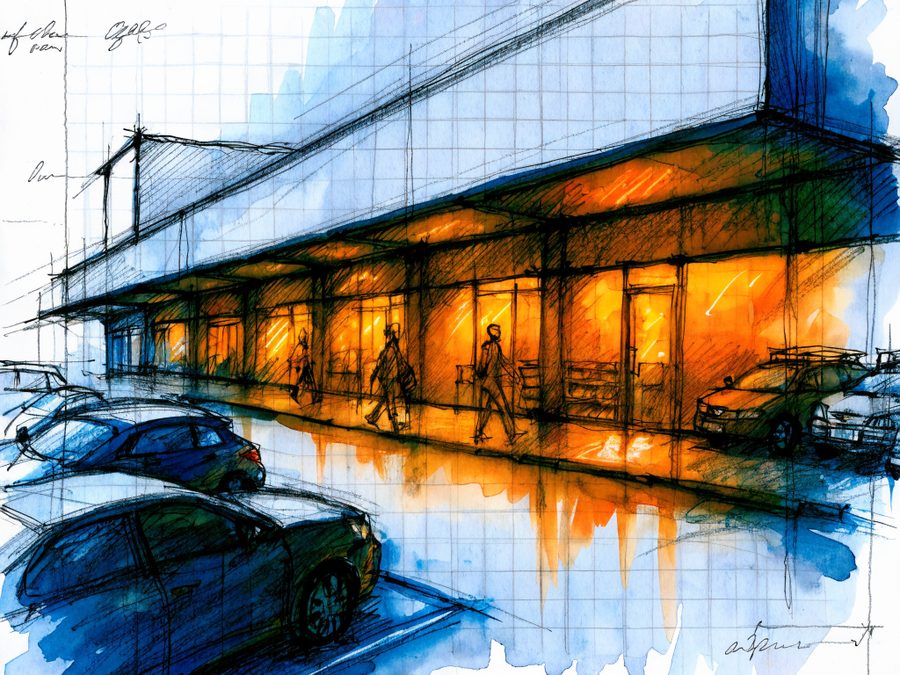
01
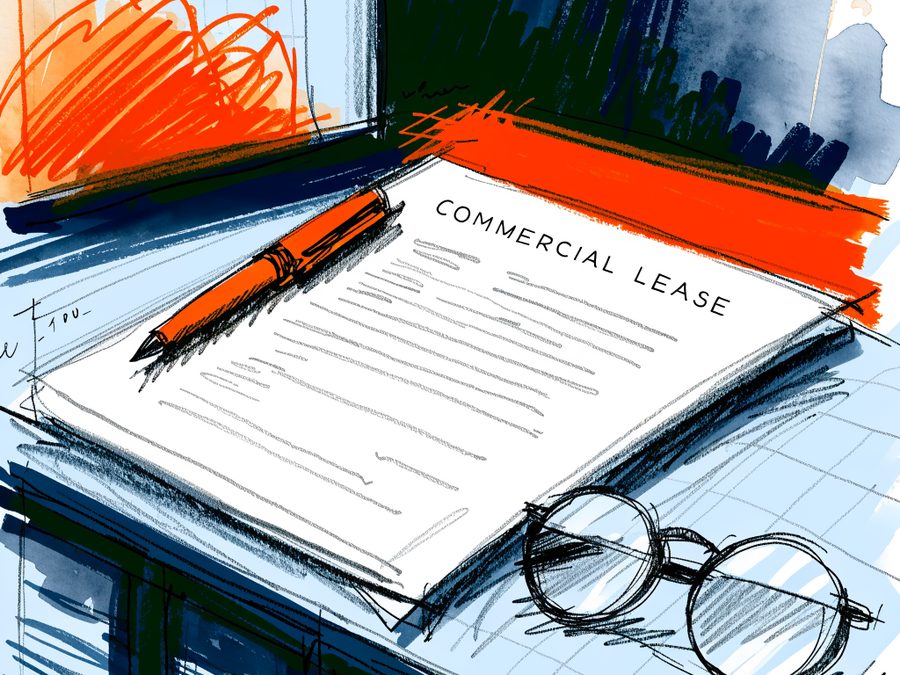
02
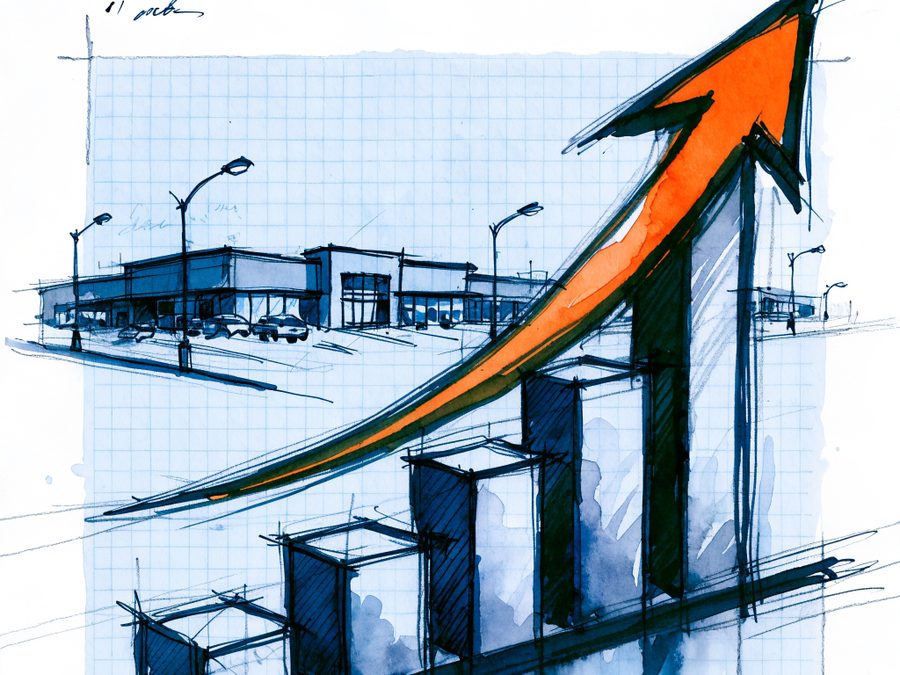
03
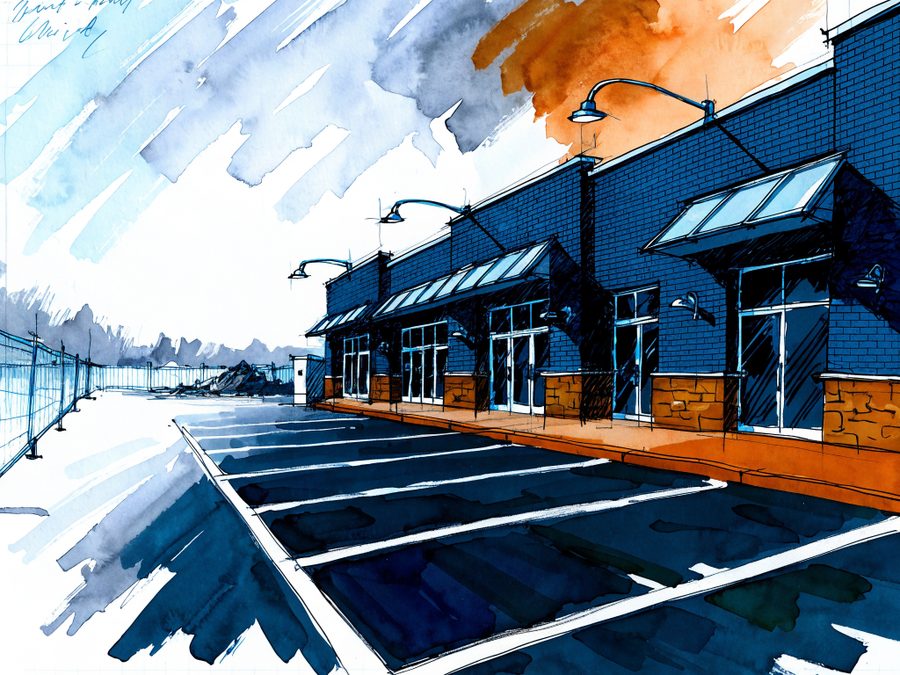
04
What the wheel is worth
A buyer does not price the building. They price the income and how sure they are of it. A lower cap rate on the same income is simply a higher price, and the difference between the first row and the last one is usually work rather than luck.
Ranges are Southeastern Wisconsin multi-tenant retail and move with the debt market. The distance between the top row and the bottom one is the point: the same income at 6.5% is worth roughly half again what it is worth at 10%.
When it has stopped
A stalled center is rarely one problem. It is usually all four of them holding each other still: the tenants weakened, so the leases got softer, so the income fell, so nothing got reinvested, so the next tenant signed was weaker than the last one.
Which is also why it cannot be fixed in one move. Nobody has the capital or the calendar to repair four things at once, and a center that tries almost always spends on the wrong one first. It gets fixed in pieces, in an order, each piece paying for or making possible the one after it, until there is enough momentum for the wheel to carry itself again.
No two centers need the same order. Which piece comes first at your property depends on what the leases say, what the income is doing, and what capital is realistically available this year. Working that out is a short, specific piece of work, and it is usually the first thing we do.
What that looks like
Most property problems do not start with a transaction. They start with a lease, a vacancy, rising expenses, a capital decision, weak reporting, or a question about value. We work directly with owners on all of it.
How the property is actually doing. The operating statement line by line, the rent roll behind it, and where income is leaking. What is rising, what is recoverable, and what nobody has looked at in three years.
What the leases say about rent, recoveries, options and obligations, rather than what the summary says they say. Then why the space is empty, what it should rent for, and what it will take to fill it.
Which projects protect the property, which ones raise rent, and which ones are simply spending. Put in an order the income can pay for.
What the property is worth today, and what it could be worth if specific things change. The arithmetic behind the number rather than the number on its own.
A second read on a center you are considering, before the money is committed. On the way out, what a buyer will look at and what should be true about the property before they do.
You already have a number, a recommendation, or a management company. You want somebody with no stake in it to check the work.
Coffee, a walk around the property, or a call if that is easier.